
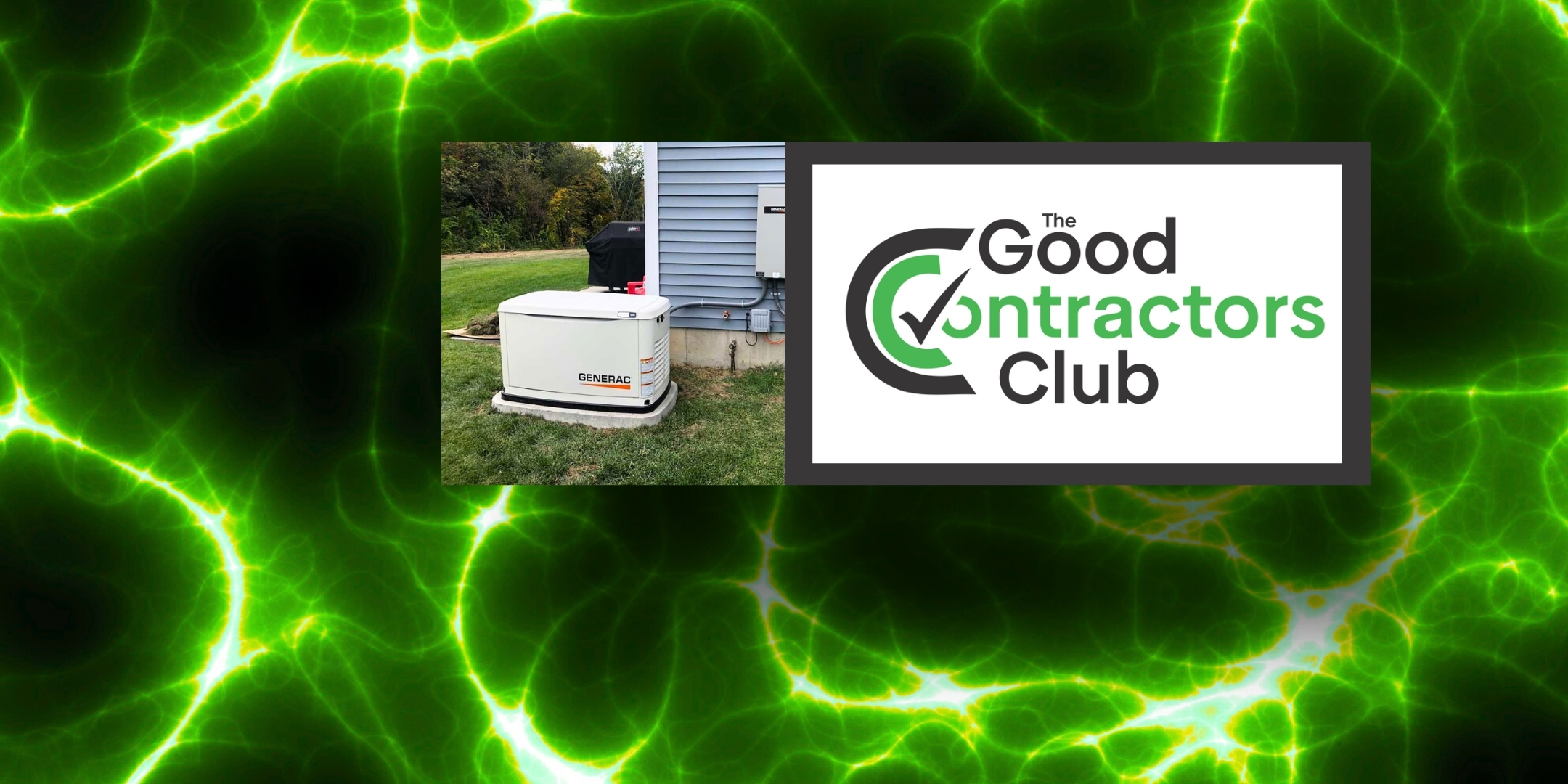
Short answer: A professionally installed standby generator in the Kansas City area usually lands somewhere between a modest critical-circuits setup and a full whole-home system that can power almost everything. The final price depends on the size of the unit, the transfer switch, fuel type, site work, permits, and the electrical scope. It is worth it if you want automatic power for medical needs, remote work, sump pumps, refrigerators, and heating or cooling during storms. A licensed electrician will size the system, handle permits, and install a transfer switch so your home stays safe and code compliant.
What drives the price of generator installation in the KC METRO?
Generator size. Bigger homes and higher expectations need higher kilowatt ratings. If you want the lights, HVAC, kitchen, office, and more to run at the same time, you will need a larger unit than a family that only wants the fridge, a few lights, the internet, and the furnace blower.
Fuel and piping. Natural gas is common across the metro. Propane works well when gas is not available. Your contractor will check meter capacity, regulator sizing, and safe routing. Propane adds tank placement and set up.
Transfer switch. Every permanent generator needs a transfer switch that isolates your home from the grid during an outage. Manual switches keep costs down for portable units. Automatic transfer switches make a standby system seamless and are the standard for whole-home setups.
Site work. A concrete pad, clearances, and the path for conduit and gas lines affect labor. Longer runs, trenching, or a tight meter location can move a project into a higher bracket.
Permits and inspections. Kansas City, Missouri uses an online portal for permits. Surrounding suburbs follow similar processes. Your electrician should pull permits and schedule inspections so the installation meets local code.
Utility safety and why the transfer switch is not optional
A properly installed transfer switch protects lineworkers and your equipment. It stops power from backfeeding into utility lines and it keeps your panel isolated when the generator is running. The switch also makes restoration simple. When utility power returns, the switch senses it, brings your home back to normal service, and cools down the generator. No cord juggling, no guesswork.
Sizing basics for a KC home
Start by listing the loads that must run during an outage. HVAC or at least the furnace blower. Sump pumps. Refrigerators and freezers. Internet and office gear. Lighting in key rooms. Medical devices if needed. Your electrician will translate that list into running watts and starting watts. Motors like air conditioners and well pumps can draw much more current at startup than while running. That surge must be part of the plan. The transfer switch amp rating should match your service and the generator’s output so the system is balanced.
If you want every circuit live during an outage, you will need a larger unit and a service-rated automatic transfer switch. If you are comfortable with a smart critical-circuits plan, you can choose a smaller generator that feeds selected breakers.
Typical cost ranges you will see
Real-world totals vary. A simple portable generator with a manual transfer switch for a few circuits can be a few thousand dollars installed. A mid-sized standby generator with an automatic transfer switch and straightforward gas and electric runs tends to fall in the middle. A full whole-home system with longer runs, a new pad, meter work, or panel upgrades can reach the low five figures. The brand, sound enclosure, cold-weather kit, and warranty can nudge the number up or down. A site visit is the only way to get a reliable quote.
Noise and neighbors
Air-cooled standby units are designed to live outdoors and run weekly self-tests. Most sound like a lawn tractor in the next yard. Placement matters. Keep the unit clear of windows and follow setback rules. If your bedrooms or your neighbor’s bedrooms are nearby, ask about siting that faces the exhaust and sound away from sleeping spaces. A thoughtful location can make a big difference.
When a generator pays off
Medical needs and remote work. If you rely on medical devices or have to keep your home office online, automatic backup power avoids risky downtime.
Basements and sump pumps. Heavy rain plus a power outage is a bad mix. Keeping pumps running can prevent major water damage.
Food and comfort. Replacing a freezer or fridge full of food is expensive. Heating and cooling keep the home livable and protect pipes.
Peace of mind. If you have frequent or long outages, the value of a worry-free switchover grows with every storm.
Safety and code checklist your electrician will handle
- Correct transfer switch selection and placement that matches the service and generator size
- Gas line sizing, bonding, and regulator checks for natural gas or propane
- Concrete pad, required clearances, and exhaust direction
- Conduit runs that protect wiring and minimize voltage drop
- Permits and inspections for electrical and mechanical scopes
- Start-up testing, homeowner walk-through, and basic maintenance guidance
What questions should I ask my contractor
- Which generator size covers my essentials without overspending, and how are you accounting for starting watts
- What transfer switch are you specifying, and how does it isolate my home during an outage
- Will you handle permits and inspections, and are those fees included in the quote
- Where will you place the unit to meet code and reduce noise for us and our neighbors
- Which fuel do you recommend for my address, and how will you confirm gas capacity or size the propane tank
- What could increase the total cost, such as long runs, a new pad, meter or mast work, or panel limits
- What is the realistic timeline from quote to inspection sign off, and what documentation will I receive
Fast FAQ
Is a portable generator with a manual transfer switch a cheaper option
Yes. It can cover core circuits at a lower price, but you give up automatic switchover and you need to be home to set it up.
Do I need a full whole-home system
Not always. Many homes choose a right sized standby unit that covers the essentials and keeps outages manageable without oversizing.
How much maintenance is involved
Standby units need periodic oil changes, filter checks, and a clear area for airflow. Most systems run a short weekly self-test to stay ready.
Ready to take the next step
If backup power makes sense for your family, gather a short list of must run circuits, take photos of your panel and meter, and request on site quotes from vetted Kansas City electricians. A good contractor will size the system, handle permits, and install a transfer switch that keeps your home safe when the lights go out.
GOOD CONTRACTOR directory: https://thegoodcontractorsclub.com/contractor-directory/